
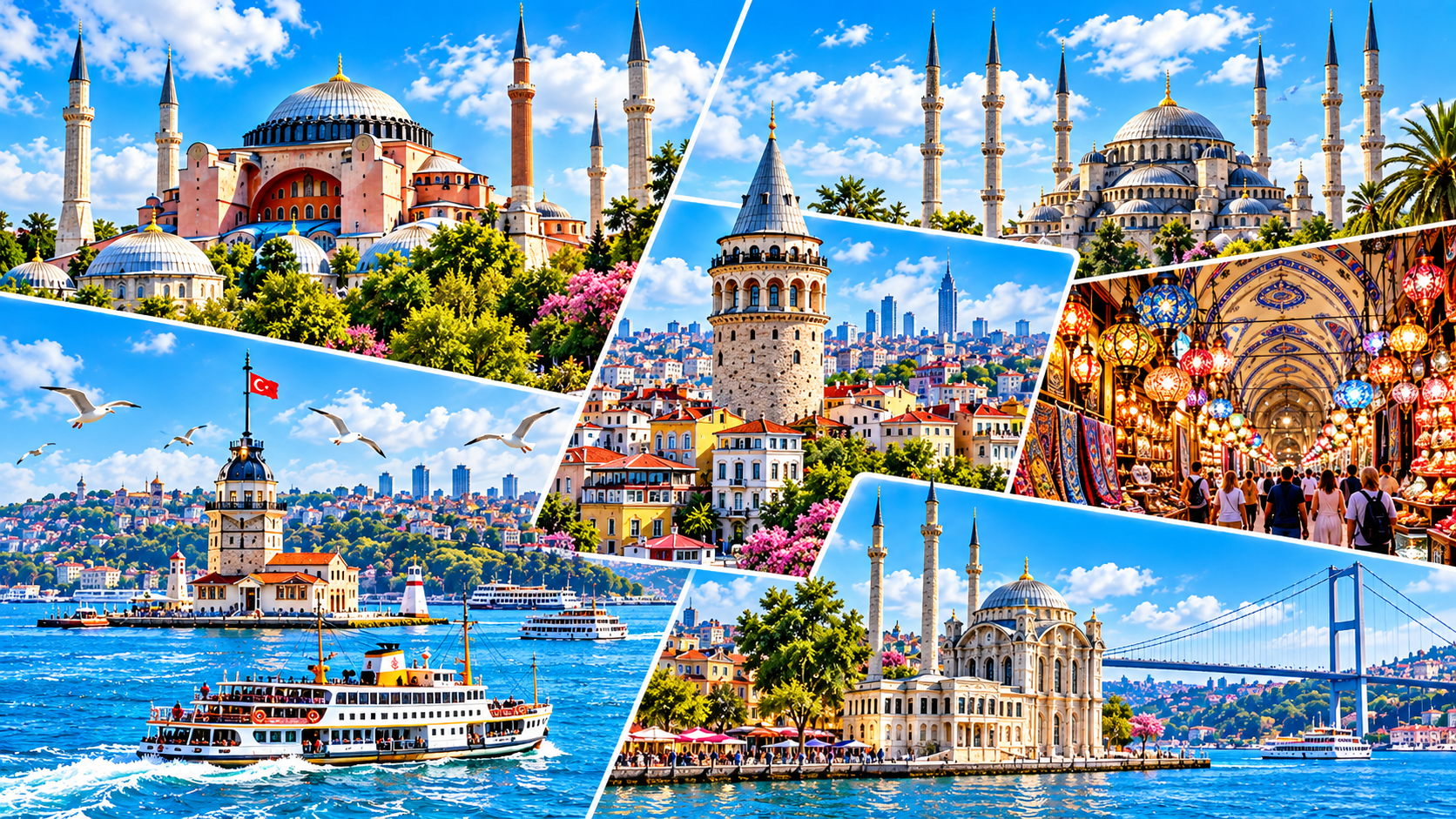

What to Pack for Istanbul Old City: Dress Code, Shoes, and Seasonal Layers
What to Pack for Istanbul Old City: Dress Code, Shoes, and Seasonal Layers
Last updated: August 2026
Brief: What to pack for Istanbul Old City: mosque dress code, cobblestone shoes, summer heat vs winter wind, daypack vs security bags, and a small tech kit for 2026.
What to pack for Istanbul Old City is less about looking stylish on the Hippodrome and more about surviving a mixed day: mosque dress code, palace hills, tram steps, and a security tray that does not love your 40-liter hiking pack. We pack for Sultanahmet as a walking museum with active worship, not as a beach city that happens to have minarets. If your bag fights cobbles, prayer-time shoe piles, and summer glare, the monuments will feel harder than they need to.
This guide covers scarf and shoulder rules on a mixed sightseeing day, shoes that handle cobbles and palace grades, summer heat versus winter wind, daypack versus bags at security, and the power bank and offline maps we actually use in 2026. We keep the list short enough to pack. We do not tell you to bring a new wardrobe.
Mosque scarf and shoulder rules in a mixed day
You will likely enter Hagia Sophia and the Blue Mosque on the same calendar day as Topkapı courtyards, where shoulders in a tank top are a heat strategy, not a scandal. Pack for the strictest interior you will enter, then peel layers in parks.
Shoulders and legs. For mosque interiors, we cover shoulders and wear clothing that reaches the knees. Thin linen trousers beat denim in July; a light overshirt beats hoping the mosque has a loaner for every visitor in a cruise surge. Loaner wraps exist at major mosques and are not a fashion emergency—but relying on them as your only plan is how you wait in a line of people also relying on them.
Scarves. If you present as a woman visitor, carry a lightweight scarf in the daypack every mosque day. You can wear it as a sun layer on the square. Men: a cap is for sun, not a substitute for respectful dress; follow posted guidance.
Shoes off. Pack socks you do not mind showing. Mosque carpets are clean enough; your pride about holey socks is optional. Slip-on shoes save minutes at every threshold.
Friday and prayer windows. Dress code does not pause when visitor routing does. If you get shifted outside during salah, you still want the scarf in the bag, not in the hotel.
A mixed-day outfit we like: breathable trousers, T-shirt, packable overshirt, scarf, and a hat that is not your only sun protection.
Shoes that survive cobbles and palace hills
Sultanahmet is uneven stone, tram tracks, and Topkapı’s long grades. The wrong shoe is the most expensive “cheap” packing mistake we see.
What works: broken-in sneakers or walking shoes with real tread. A closed toe. Enough structure that your foot does not fold on a slanted Ottoman paver.
What fails: new leather boots on Day 1, fashion sandals with no grip, heels for “nice mosque photos,” and flip-flops on wet marble near fountains.
Cistern and hamam days: stone can be slick. If you only bring one pair, make it the pair that can handle a damp floor and a hill.
Blister kit: two plasters and a small tape wrap occupy no space and save a Day 2. We would rather pack that than a third pair of shoes.
If you use a support brace or insoles, pack them. Palace walking is repetitive; “I’ll be fine” is not a plan.
Summer heat versus winter wind on the same peninsula
Istanbul’s Old City is a microclimate machine: sun bowl at the Hippodrome, wind off the Marmara and Golden Horn, shade that disappears at noon, interiors that are marble-cold even in August.
Summer (roughly June–September):
- Light, UPF-aware layers; a hat that stays on in tram wind.
- Electrolytes, not only water.
- Sunglasses. The glare off pale stone is real.
- A compact rain shell anyway—Bosphorus fronts do not RSVP.
Winter (roughly November–March):
- Windproof layer for Gülhane and ferry docks.
- Warm socks for mosque floors (marble approaches feel colder than the air temperature).
- Gloves you can stuff in a pocket for morning tram rides.
- Shoes that tolerate rain-slick cobbles.
Shoulder seasons: the classic packing win is one extra insulating layer you can park in a café. Mornings at Topkapı opening can be cool; afternoons on the square can still cook.
| Season | Core layer | Add | Leave | |--------|------------|-----|-------| | High summer | Breathable trousers + T-shirt | Scarf, hat, shell | Heavy jeans, dark long sleeves all day | | Shoulder | Same + light knit | Packable puffer or fleece | Suitcase of “just in case” coats | | Winter | Knit + wind shell | Warm hat, gloves, thicker socks | Open sandals as the only shoe |
We dress for the hour we will be outdoors between interiors, not for the hotel lobby.
Daypack versus bags at security
Every major site has a security culture: trays, scans, sometimes a bag size mood. A huge backpack marks you as the person who slows the line and then has nowhere to put the pack while removing shoes.
Daypack rules we follow:
- One bag, small enough to wear on your front in crowds if needed.
- No tripod hanging off the side unless you like conversations with staff.
- Water bottle in a side pocket; liquids rules vary—be ready to sip or bin at the tray.
- Valuables in a zip inner pocket, not an open tote on the Hippodrome.
What we leave at the hotel: spare shopping bags, the second camera body, the laptop “in case I work.” Cistern lockers and palace bag policies change; verify rather than arriving as a mule.
If you must carry travel documents, a slim pouch under the overshirt beats a wallet in a back pocket on a bazaar day.
Strollers and large suitcases do not belong in mosque shoe racks. If you are in transit, use hotel storage or a luggage point before the square.
Power bank, offline maps, and the small kit we actually use
Phone is the ticket. Timed entries, boarding passes, translation, prayer-time apps, and photos. Pack a power bank and the cable that fits your phone—not three cables that fit a drawer at home.
Offline maps: download Sultanahmet, Beyazıt, Eminönü offline. Tram stations have names that look similar when you are tired. Offline also helps when a plaza is packed and data crawls.
Other small kit:
- Portable phone stand is optional; a steady hand against a column is usually enough.
- Paper backup of booking references if you panic when the screen dies.
- Hand sanitizer and tissues—mosque restrooms vary.
- A reusable bottle; refill where appropriate.
We do not pack a full pharmacy. We pack personal meds, blister care, and sun protection. Istanbul has pharmacies; cobbles do not wait while you shop for plasters at 16:00.
What we leave in the hotel on purpose
Jewelry you would grieve. The “nice jacket” for a restaurant that turns out to be a lokanta. Drones. Assumptions that Topkapı is a fashion show.
If you will visit a hamam, leave the day’s dust bag at the hotel and carry a small dry kit (see a hamam-focused plan if that is your evening). Do not tour monuments with a wet towel in the pack.
A packing table you can screenshot
| Item | Why it earns the bag | |------|----------------------| | Lightweight scarf | Mosques + sun + AC | | Slip-on walking shoes | Shoe-off cycles + cobbles | | Packable overshirt | Shoulders, wind, mosque | | Small daypack | Security trays | | Power bank + cable | Tickets live on the phone | | Offline map area | Tram and hill navigation | | Hat + sun protection | Hippodrome and palace terraces | | Thin rain shell | Any season, actually |
If it is not on this table or a medical need, argue with yourself before it occupies volume.
Conclusion: pack for stone, worship, and weather swings
What to pack for Istanbul Old City in 2026 is a modest kit: covered shoulders when required, shoes that grip cobbles, layers for heat and wind, a small bag that security can live with, and a phone that stays alive. The dress code is not a costume. It is how we share space with a living mosque city while still walking a palace.
Pack the scarf. Break in the shoes. Download the map. Leave the rest. The Historic Peninsula rewards travelers who can move—through prayer pauses, hills, and weather—without fighting their luggage.
Plan your visit
- Guided tours — Walking days sequenced around mosque dress and security so you are not unpacking in the square: Browse available tours.
- Tickets — Mobile timed entries for Hagia Sophia, Topkapı, and the cistern: Get tickets / booking.
Replace / and / with your live links before publishing.
Suggested focus keyphrases (SEO)
- what to pack Istanbul Old City
- Sultanahmet dress code visitors
- shoes for Istanbul cobblestones
- mosque scarf packing list Istanbul
- Istanbul summer vs winter layers
- daypack security Hagia Sophia
- power bank Istanbul sightseeing
- what to wear Topkapi and mosques
Prayer schedules and visitor routing change—verify shortly before travel.